How to Ditch the 500 lb Safety Manual
After 27 years in heavy civil construction, William LePage explains why fewer forms, sharper focus, and stronger executive commitment is what really protects workers.
When you're a safety leader, it's easy to get buried under mountains of paperwork and administrative requirements. Many organizations find themselves trapped in a cycle of creating more forms to track existing forms, which often leads to a disconnect between the office and the field.
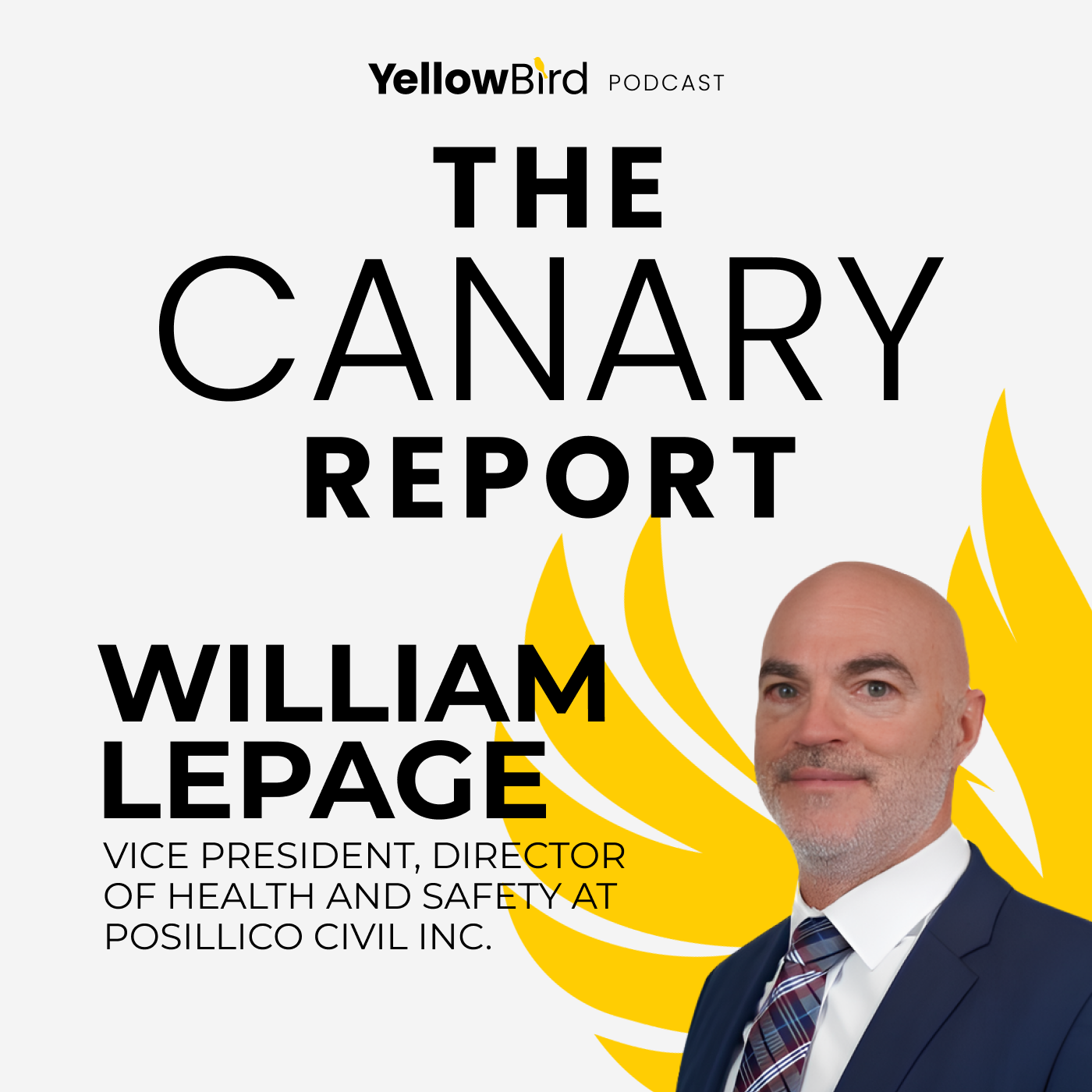
William LePage, the Vice President and Director of Health and Safety at Posillico Civil Inc., has spent over twenty-seven years learning how to cut through this noise to protect his team of 1,200 employees. His approach focuses on high-impact strategies that prioritize human life.
Moving Beyond the Epidemic of Checklists
One of the biggest hurdles in modern safety leadership is the tendency to create a checklist for everything. Bill mentions that over his decades in the industry, he has seen organizations become overloaded with "checklists for checklists". This often results in field teams becoming fatigued and losing sight of the hazards that actually pose a threat to their lives. Instead of following this trend, he prefers to slim down the documentation to focus on energy-based safety.
By practicing energy-based safety, the team can focus their attention on the specific energy sources that cause serious injuries or fatalities. This method ensures that workers are looking at the right risks at the right time. When a safety program focuses on serious incident prevention rather than minor administrative errors, it builds a much stronger workplace safety culture where everyone knows what truly matters on a job site.
The Power of Project-Specific Safety Programs
Generic safety manuals often sit on desks as 500-pound paperweights because they are too broad to be useful for specific tasks. At Posillico Civil, the philosophy is to build a safety program development strategy that is unique to every new project.
Whether the team is working on a $1.4 billion park in Manhattan or a smaller paving job on Long Island, the safety plan is tailored to the hazards and needs of that specific location.
This targeted approach removes the unnecessary "noise" of a one-size-fits-all manual. A rigging operation requires completely different controls than an underground utility project, and the safety documentation should reflect that reality. When the program matches the actual work being executed, it improves field buy-in because the crews see that the rules are relevant to their daily challenges.
Driving Accountability through Executive Commitment
True safety transformation cannot happen in a silo. It requires a dedicated commitment from the very top of the organization. Bill holds a weekly safety huddle every Monday morning at 8 AM with the owners of the company and the executive leadership team. During these calls, they have honest conversations about incidents from the previous week and identify areas where the company needs to get better.
This ritual turns safety into a core business priority rather than a separate department goal. When the CEO and COO are personally involved in discussing near misses and systemic gaps, it sends a clear message to the entire workforce that their protection is valued. This level of executive presence creates a foundation of accountability that scales as the company grows into new markets like Texas and Florida.
Leading from the Sharp End of the Stick
A critical lesson for any safety professional career is the importance of understanding the complexity of work before making judgments. Bill advocates for going to the "sharp end of the stick" to watch how people actually perform their tasks. By observing work execution in real-time, leaders can see where a plan might have failed or where better tools are needed.
Many safety investigations suffer from hindsight bias, where the blame is placed on the worker after an incident occurs. However, when you appreciate the difficulty of the work, you realize that many issues are actually organizational or planning failures. Shifting the focus from worker blame to system improvement earns the trust of the crew and allows for genuine incident rate reduction.
Vetting Every Professional for Culture Fit
As Posillico Civil has doubled in size, maintaining a consistent risk management strategy has required a rigorous vetting process for every new hire and consultant. Bill personally interviews every safety professional who will be representing the company brand on a project. He believes that you cannot simply accept a "heartbeat" to fill a position because every person on the site must be a right fit for the culture.
This high standard ensures that anyone working on a project, whether they are a full-time employee or a contract consultant, is dedicated to doing actual safety work. By treating safety staffing as a mission-critical part of operations, the company builds a team that is genuinely committed to the lifelong mission of keeping people from getting hurt at work.
Listen to the full conversation on The Canary Report to learn more about building a safety legacy that lasts.
Apple Podcasts: https://bit.ly/4atpkZb
Spotify: https://bit.ly/3S3RNOW
YouTube Links: https://youtu.be/-VWGPm4S3jc
Newsletter: https://bit.ly/4o8KyBq