The Construction Jobsite Safety Shift That Could Save More Than Lives
How Jim Ruggiero’s personal approach to safety proves that trust, empathy, and culture can protect workers better than compliance alone.
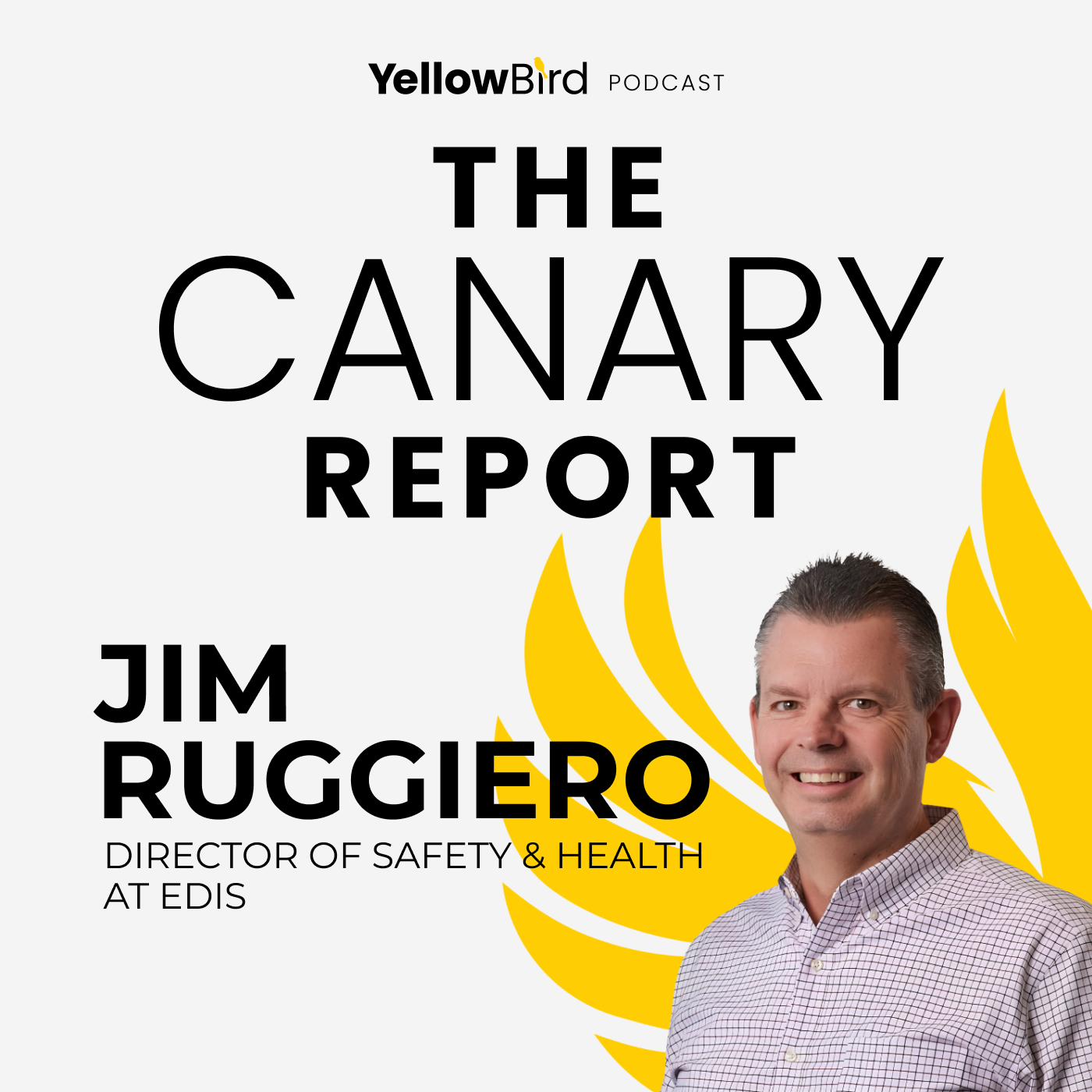
Jim Ruggiero has spent four decades in the construction industry and his perspective on safety is deeply personal. He often shares a story about his stepbrother who was seriously injured by a distracted operator on a job site many years ago.
This experience taught him that safety statistics represent real families and real lives rather than just numbers on a report. His mother also played a major role in his development by teaching him that caring for others is a foundational value for any kind of leadership. By viewing every worker as a family member, Jim has built a safety philosophy that prioritizes the human being over the compliance file.
Shifting from Reactive Audits to Proactive Partnerships
During his time with Delaware State OSHA, Jim learned that building trust is more effective than strictly enforcing rules. He spent years knocking on doors to offer free consultations to high hazard industries as a proactive way to prevent injuries.
Many contractors are naturally skeptical of government oversight, so he focused on separating consultation from compliance to create a safe space for improvement. This collaborative approach allows companies to identify dangerous trends before they lead to an actual incident on the site. When safety is treated as a partnership, workers and leaders are much more likely to engage with the program in a meaningful way.
The Multiplier Effect of a Strong Company Culture
One of the most interesting aspects of the safety program at EDIS Company is that Jim manages it as a solo director across roughly twenty projects. He explains that this is only possible because the company prioritizes hiring people who already value safety as part of their character.
When you hire superintendents and project managers who care about their teams, they become natural extensions of the safety department. This multiplier effect means that safety is integrated into every daily decision rather than being an external checklist managed by one person. A culture of "good people" creates a self-sustaining environment where everyone feels responsible for the well being of their coworkers.
Addressing the Mental Health Frontier in Construction
Jim believes that mental health is a critical component of occupational safety that the industry has ignored for too long. He initially struggled with even saying the word suicide in training sessions because of a personal family tragedy involving his brother in law.
However, a mentor helped him realize that he was uniquely qualified to lead this conversation because he speaks from the heart. Modern safety programs must consider whether a worker is mentally present and focused because personal distractions can lead to the same fatal mistakes as physical hazards. Ensuring that a person shows up as their "whole self" is a vital part of protecting them from the risks inherent in construction work.
Setting High Standards for Specialized Expertise
Choosing the right partners for training and specialized safety needs is another area where Jim maintains high standards. He warns against consultants who claim they can do everything because safety is a complex field that requires deep expertise.
As the chairperson at the Delaware Contractors Association, he personally interviews trainers to ensure they provide credible and accurate information. Protecting workers requires a commitment to quality that starts with the experts you choose to bring into your organization. Safety leaders should vet their resources with the same level of care they use when hiring a full time team member.
Listen to the full conversation on The Canary Report to learn more about building a safety legacy that lasts.
Apple Podcast:
https://bit.ly/4wRQYc0
Spotify:
https://bit.ly/4vfe8r1
YouTube:
https://youtu.be/QFBPgaO5gSU
Newsletter: https://bit.ly/4u3WJ3N