The (Not-So) Surprising Link Between Mental Health and On-the-Job Safety
Here's why today's safety leaders are treating workplace mental health as a critical part of occupational safety.
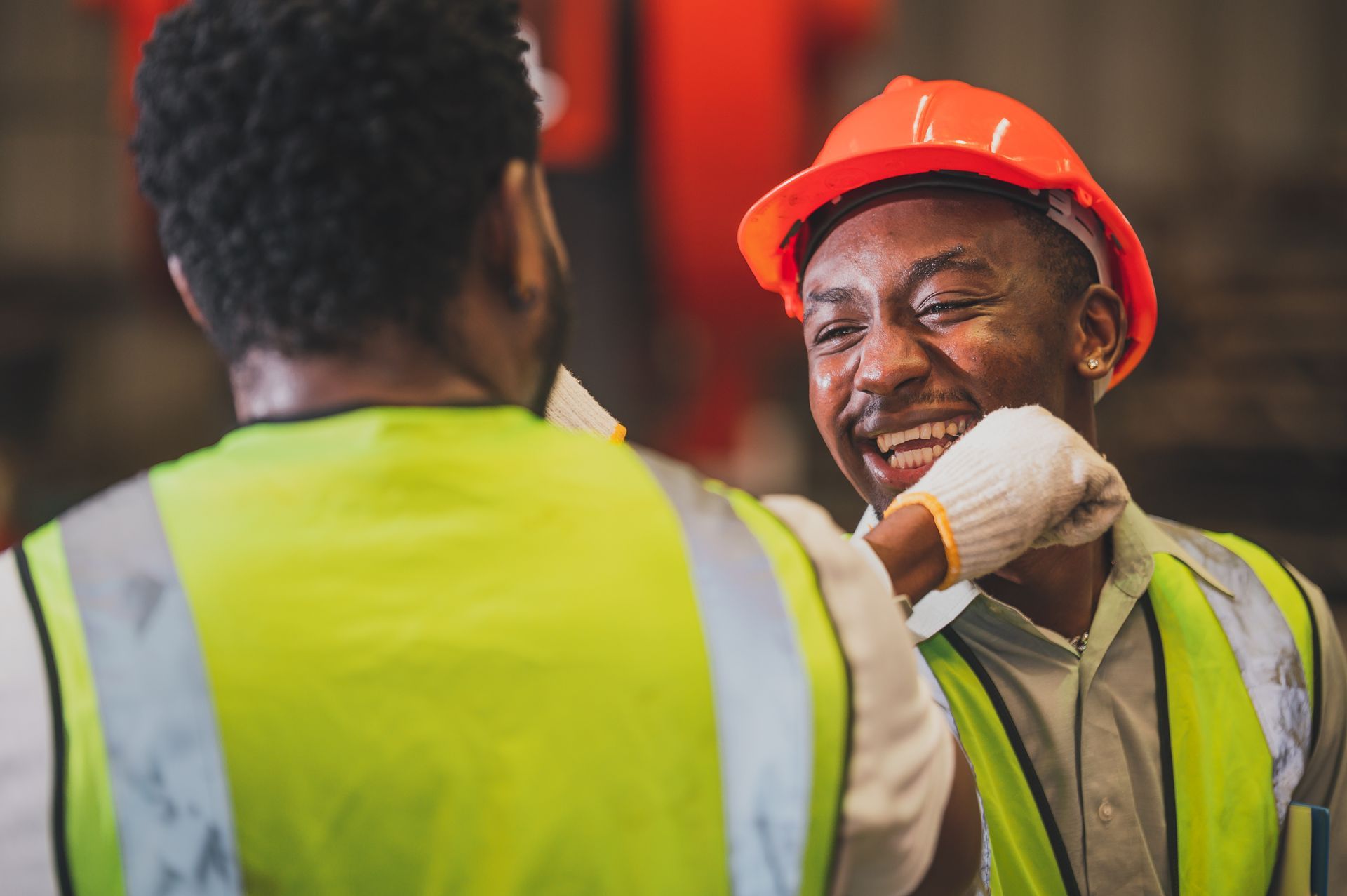
People don't leave stress, exhaustion, anxiety, burnout, or personal challenges at the gate when they arrive at work. We’re all people. Not machines. And our human realities influence our attention, judgment, communication, and decision-making.
That's why workplace mental health has become an increasingly important part of occupational safety. The connection between mental health and workplace safety is stronger than many organizations realize, and understanding that connection is becoming an essential part of modern EHS leadership.
Mental Health and Workplace Safety Are Closely Connected
For decades, occupational safety programs have focused primarily on physical hazards such as fall protection, lockout/tagout, machine guarding, confined spaces, and PPE. But many workplace incidents involve human factors that are harder to see.
Stress affects concentration. Fatigue slows reaction time. Burnout reduces engagement. Anxiety can narrow situational awareness. Mental overload makes routine tasks more difficult.
None of this means safety professionals should become mental health counselors. It does mean that mental health and workplace safety should be viewed together rather than as separate conversations.
Protecting workers means understanding both the physical hazards around them and the cognitive demands placed on them.
Why Workplace Mental Health Matters for Safety Leadership
Many incident investigations ultimately identify "human error" as a contributing factor.
But effective safety leadership asks a different question:
What made that error more likely?
- Was the employee exhausted after several consecutive long shifts?
- Were they distracted by excessive workplace stress?
- Did production pressures encourage shortcuts?
- Did they feel comfortable asking for help?
- Did they believe leadership would listen if they reported a concern?
The answers often reveal organizational conditions that deserve just as much attention as the immediate incident itself. Many organizations stop their investigations at the immediate cause, but the strongest safety leaders dig deeper, looking for patterns in communication, supervision, fatigue, and organizational culture.
Poor employee wellbeing frequently appears through operational signals long before an injury occurs.
Safety leaders may notice:
- More near misses
- Increased mistakes
- Reduced hazard reporting
- Lower engagement
- Higher absenteeism
- Increased turnover
- Communication breakdowns
- Declining participation in safety initiatives
Fatigue and Workplace Safety: One of the Most Overlooked Risks
Among all the factors affecting workplace mental health, fatigue remains one of the most significant, and most overlooked.
Some of these include:
- Long shifts.
- Mandatory overtime.
- Night work.
- Early morning starts.
- Limited recovery time.
Each reduces a person's ability to make safe decisions.
Research consistently shows that fatigue affects attention, memory, reaction time, and decision-making—the same skills workers depend on to identify hazards and respond appropriately.
For many organizations, improving fatigue and workplace safety isn't just about changing schedules. It's about recognizing fatigue as a legitimate operational risk rather than simply an unavoidable part of the job.
Psychological Safety Creates Better Safety Culture
While workplace mental health focuses on an individual's wellbeing, psychological safety focuses on the environment leaders create.
Workers should feel comfortable:
- Reporting hazards
- Asking questions
- Admitting mistakes
- Challenging unsafe decisions
- Raising concerns before someone gets hurt
When people don't feel psychologically safe, valuable safety information stays hidden.
- Near misses go unreported.
- Unsafe conditions become normalized.
- Small issues become larger incidents.
Building trust with teams requires leadership alignment, consistent communication, and a shared commitment from executives, supervisors, and frontline teams.
When workers believe they'll be heard—not blamed—they become active participants in protecting themselves and their coworkers.
How EHS Leadership Can Support Employee Wellbeing
Supporting employee wellbeing doesn't require creating an entirely new safety program. Often, it begins with stronger leadership habits. Effective EHS leadership includes:
Stay connected to the field
Regular site visits help leaders understand both operational risks and how people are actually doing.
Recognize the signs of workplace stress
Pay attention to fatigue, irritability, reduced communication, missed procedures, and changes in performance.
Build fatigue into risk assessments
Treat long hours, compressed schedules, and demanding workloads as hazards that deserve planning and mitigation.
Encourage reporting without blame
Workers are far more likely to identify hazards when they trust they'll be supported rather than punished.
Train supervisors to lead people—not just production
The relationship between frontline supervisors and employees often has a direct impact on both psychological safety and overall safety culture.
Final Thoughts
Modern occupational safety isn't only about preventing physical injuries. It's about creating workplaces where people can focus, communicate openly, and perform at their best.People make safer decisions when they have the attention, energy, trust, and support to do so.
For today's EHS leadership, investing in workplace mental health, reducing workplace stress, strengthening psychological safety, and supporting employee wellbeing aren't separate initiatives.
They're all part of building a stronger, more resilient safety culture, one that helps every worker return home safely at the end of the day.
Whether you're evaluating safety culture, addressing workplace stress, or looking for opportunities to strengthen employee wellbeing across multiple locations, regular audits can help identify issues before they become incidents.
Elite Safety Talent, Nationwide
YellowBird helps enterprise organizations strengthen safety culture with experienced EHS professionals who provide safety staffing, audits, training, inspections, and field support nationwide. Whether you're building a proactive safety program or addressing resource gaps, our nationwide network helps organizations protect both their people and their operations.