Safety Is a Keystone Habit: What Paul Espenan Learned Turning a Worst-Performing Asset Injury-Free
This is a subtitle for your new post
Safety does not become stronger simply because an organization adds another policy, procedure, or training session. Sustainable safety performance depends on how leaders influence people, how teams understand risk, and whether employees take genuine ownership of the decisions they make every day.
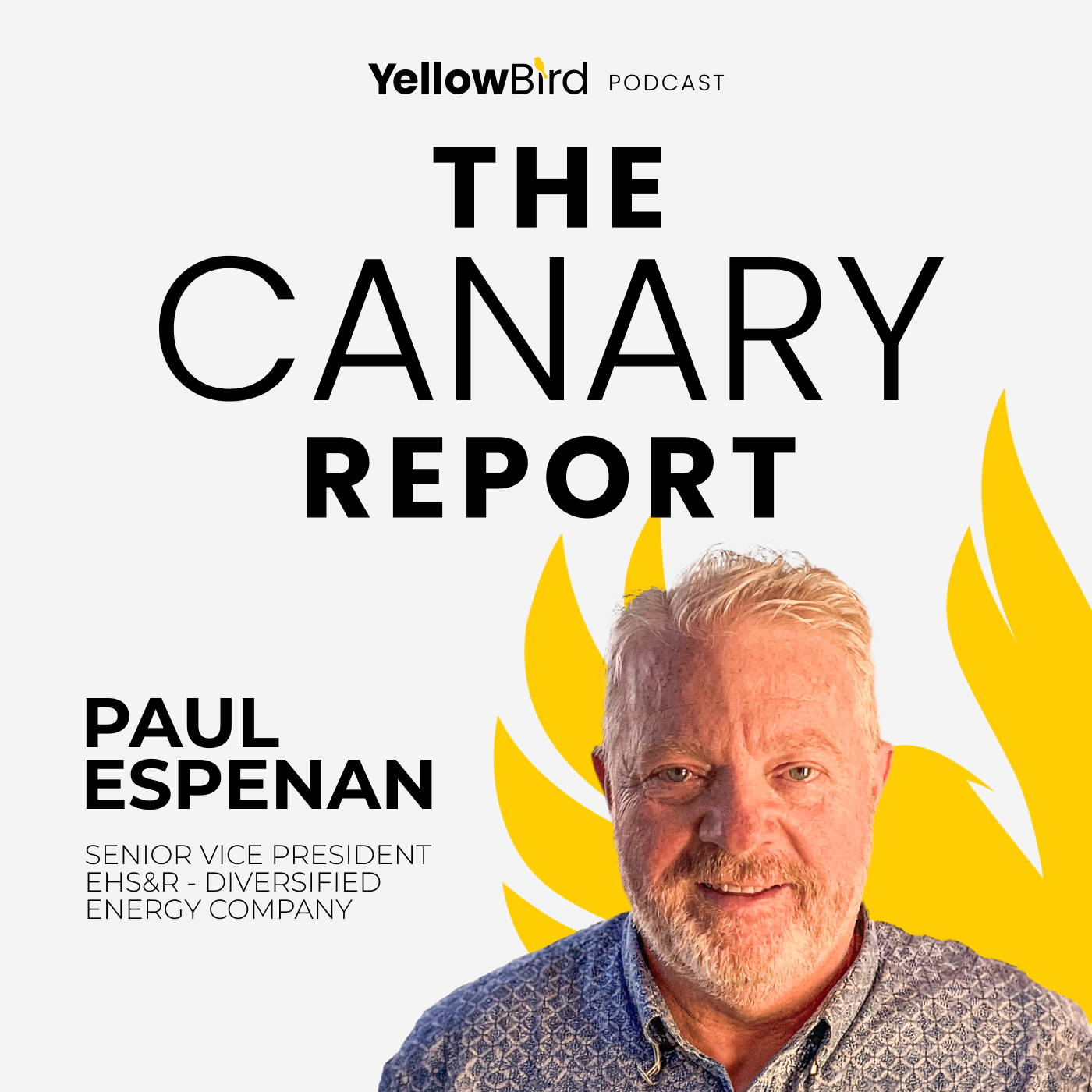
We sat down with Paul Espenan, Senior Vice President of EHS&R at Diversified Energy Company, to explore what that looks like in practice. Paul brings extensive experience across safety leadership, environmental management, risk management, and challenging culture change, including helping transform one of the company's worst-performing assets into a three-year injury-free operation.
Make Safety a Keystone Habit for Business Performance
One of the central ideas in Paul's approach comes from former Alcoa CEO Paul O'Neill, whose philosophy treated safety as a keystone habit for the organization.
“Safety performance and overall company performance are inseparable.”
For safety professionals, this reframes the role of EHS management. Safety is not simply a compliance function or a cost center operating separately from the business. It can serve as an important indicator of organizational health and leadership effectiveness.
Paul's approach is to connect safety metrics with the financial and operational measures executives already pay attention to. When leaders can see how safety performance relates to broader business performance, it becomes easier to build executive engagement and support meaningful safety initiatives.
Coach Leaders Instead of Simply Directing Them
Safety leadership does not always mean having the authority to tell someone what to do. Paul believes safety professionals can influence leaders at every level, including leaders above them, by using thoughtful questions rather than confrontation.
“A lot of times we think that coaching is downward. You can coach your boss, you can coach your boss's boss.”
Paul explains that asking powerful questions about what leaders really want from their lives can help them recognize when their actions do not align with their own values. The important part is that the leader makes the connection themselves.
Turn Safety Advice Into Personal Ownership
Paul also shared a simple technique that can make safety training much more personal. He asks employees what safety advice they would give their own children on their first day at work, then challenges them to follow that advice themselves.
The strength of the approach is its simplicity.
Once people give the advice themselves, they have something personal to live up to. This can help move safety conversations from passive compliance toward safety ownership and stronger employee engagement.
Eliminate Hazards Instead of Just Managing Them
Paul's example of using infrared technology to gauge tanks shows how safety and operational excellence can work together.
Rather than asking employees to manually open thief hatches and accept the exposure as part of the job, the organization found a way to eliminate the hazardous step. The solution reduced risk while also making the task more efficient.
Transform Safety Performance by Changing Leadership
One of Paul's most compelling examples involved an asset with a safety record that was three times worse than the company's worst-performing operation. Injuries had become so frequent that the situation had effectively become normalized.
The transformation required more than new procedures. Paul focused on leadership behavior, coaching, storytelling, and the culture that was influencing everyday decisions.
The result was a dramatic change in safety performance, with the operation going three years without an injury.
Use Storytelling to Turn Training Into Action
Paul believes storytelling has an important role in safety training because people connect with stories differently than they connect with instructions.
Rather than simply giving employees information, stories can make the consequences of decisions more concrete and memorable. Paul has used storytelling and animated training content to help people understand the human impact behind safety decisions.
The goal is not entertainment. It is to create a connection that can influence behavior after the training session ends. Effective storytelling can support cultural transformation by helping employees see risk through a different lens.
Let Mentorship Shape Your Leadership Journey
Paul also credits mentorship as a defining part of his own professional development. His mentors did more than provide information. He allowed their guidance to influence his decisions and career path.
One early manager connected Paul's CSP certification to his bonus goals, creating a clear incentive to take his professional development seriously. Paul responded by taking the time needed to prepare and earn the certification.
For emerging safety professionals, there is an important distinction here. Finding a mentor is one thing. Being genuinely willing to act on that person's guidance is another.
What Safety Leaders Can Put to Work Today:
- Connect safety to business performance: Use safety metrics alongside financial and operational measures to strengthen leadership engagement.
- Coach in every direction: Use powerful questions to influence leaders above and below you without relying solely on positional authority.
- Build personal ownership: Give employees opportunities to connect safety decisions with people and values that matter to them.
- Look for risk elimination: Identify technology and process improvements that remove hazards while improving operational efficiency.
- Focus on culture: When safety performance is poor, examine leadership behavior and organizational culture as well as procedures.
- Invest in mentorship: Seek guidance from people who will challenge your thinking and be willing to act on what you learn.
Listen to the full episode here!
Apple Podcasts Link:
https://go.fame.so/apple-paul-espenan
Spotify Link:
https://go.fame.so/spotify-paul
YouTube Link:
https://youtu.be/hw8xWUA-Rs8
Newsletter:
https://go.fame.so/newsletter-paul