Why This EHS Leader Starts Every Friday With a Failure
What if the fastest way to build trust on the jobsite is becoming a leader willing to admit their own mistakes?
"I always think about our actions being a little pebble in a pond and that ripple effect. It affects the planet, it affects our society."
Workplace safety culture and EHS leadership are the foundation of a successful risk management strategy in pharmaceutical manufacturing.
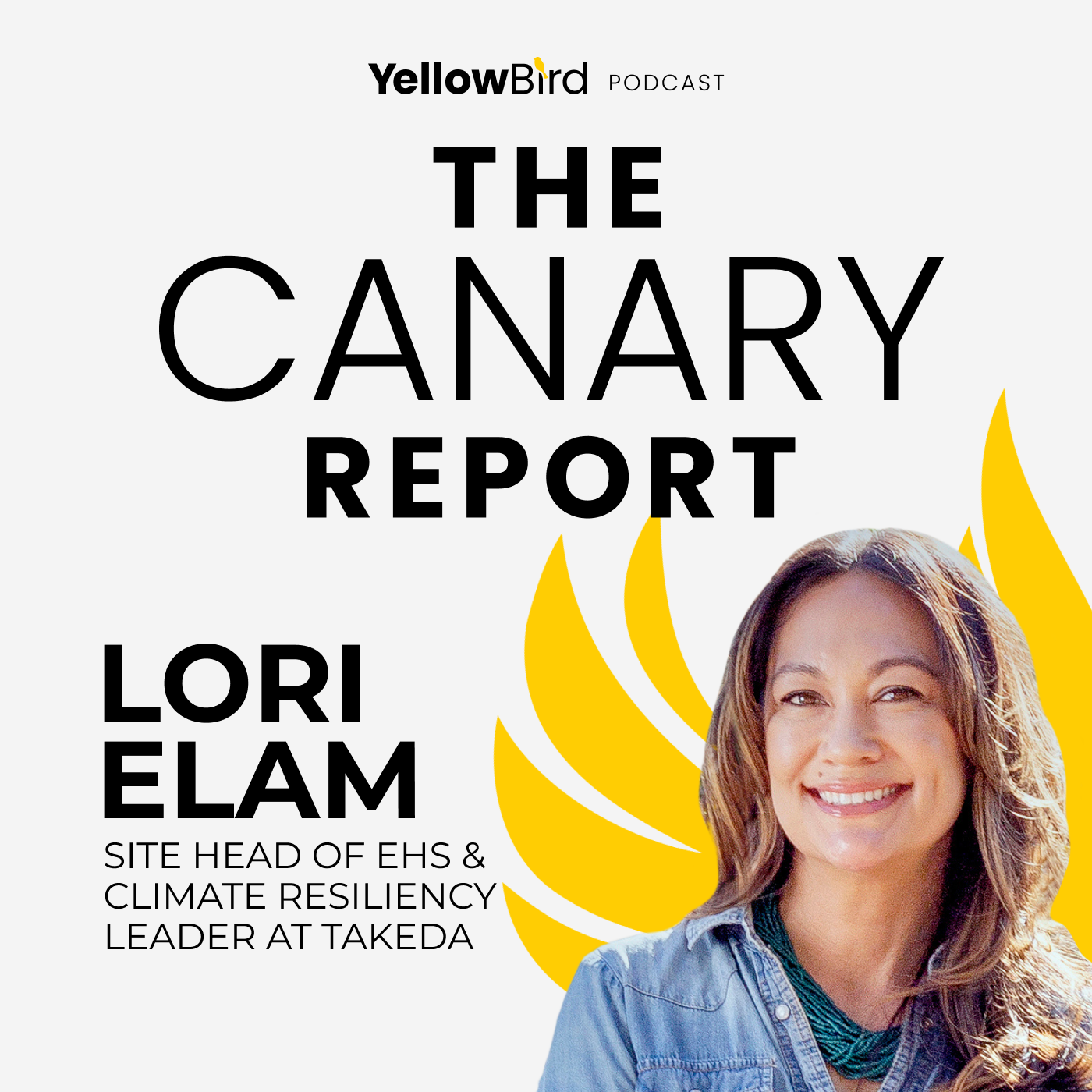
In the latest episode of The Canary Report, Michael Zalle hosts Lori Elam, an Environmental Health and Safety leader at Takeda Pharmaceuticals with over twenty-five years of experience. Lori shares her journey from quality control to leading safety for a global biologics facility in Thousand Oaks, California. Her approach emphasizes human connection and the power of being present in the field to protect the lives of those who manufacture life-saving treatments for rare blood diseases.
Breaking Barriers with Failure Friday
Lori introduces a unique concept called Failure Friday to help bridge the gap between leadership and third-party contractors. She understands that in high-stakes environments, workers are often hesitant to speak up about unsafe conditions because they fear the consequences of admitting a mistake.
By publicly sharing her own failures and what she learned from them, Lori creates the psychological safety necessary for others to do the same. This transparency transforms the reporting process into a collaborative learning experience that drives incident rate reduction across the entire site.
Filling the Marble Jar of Trust
Consistency is a cornerstone of Lori’s leadership philosophy, which she illustrates using the marble jar of trust metaphor. She believes that trust is built through small, repeatable actions that happen over a long period of time.
By performing regular gemba walks, she ensures that she is visible and accessible to the workforce every day rather than just during formal audits. This predictable presence allows her to build personal relationships with employees, which makes her safety messaging more credible and effective when high-risk situations arise.
Sustainability and the Ripple Effect
The commitment to safety at Takeda extends far beyond the walls of the manufacturing suite through a philosophy called sustainability by design. Lori explains that every operational decision is like a pebble dropped into a pond, creating a ripple effect that touches the planet and the local community.
This holistic view of environmental health and safety includes everything from tracking transportation emissions to ensuring that raw material suppliers pay fair wages and provide safe working conditions.
Leading with the Heart in EHS
After more than two decades in the industry, Lori views her role in biotech safety as a vocation rather than just a career. She maintains that the best safety leaders are those who genuinely care for people and take pride in knowing that their work allows a colleague to return home safely to their family.
This mindset helps her navigate the complexities of safety compliance without losing sight of the individuals behind the numbers. Her story is a reminder that when leaders prioritize vulnerability and connection, they build a legacy of protection that lasts for generations.
Listen to the full conversation on The Canary Report to learn more about building a safety culture that focuses on human connection.
Apple Podcast: https://bit.ly/3R25wWn
Spotify: https://bit.ly/4vfSKBX
YouTube: https://youtu.be/-hn3tJ8x6Mk
Newsletter: https://bit.ly/4gCHDz1